Farm safety - why the answer isn't more 'stuff'
12 Mar 2025
Telling farm folks what they 'need' - a red rag to a bull!
A little debate erupted on LinkedIn this week about whether research bodies or businesses should be trying to “solve” the challenges of farm safety. It’s no surprise there is a focus on fatal accidents in agriculture - the statistics start to tell the story. And just a little thought reminds us that behind each figure is a huge network of devastated family and friends.
So a well-meaning research group posted that they would like to turn their mind to “providing farmers with the best techniques” to prevent serious incidents.
Cue a bunch of folks who shared very similar views to myself, pointing out that farmers don’t need to be provided with anything of the sort.
It’s more that farmers (farm managers, farm workers, family farmers) could do with some practical discussions (in their language and about their specific work), to help them identify where the big risks are in their work, and ways to reduce those risks over time.
What do accident reports tell us?
When we look at the little information we do get about farm accidents (plus to large amount of research already completed in this space), I think we can see that giving out a bunch more broadbrush information isn’t the solution.
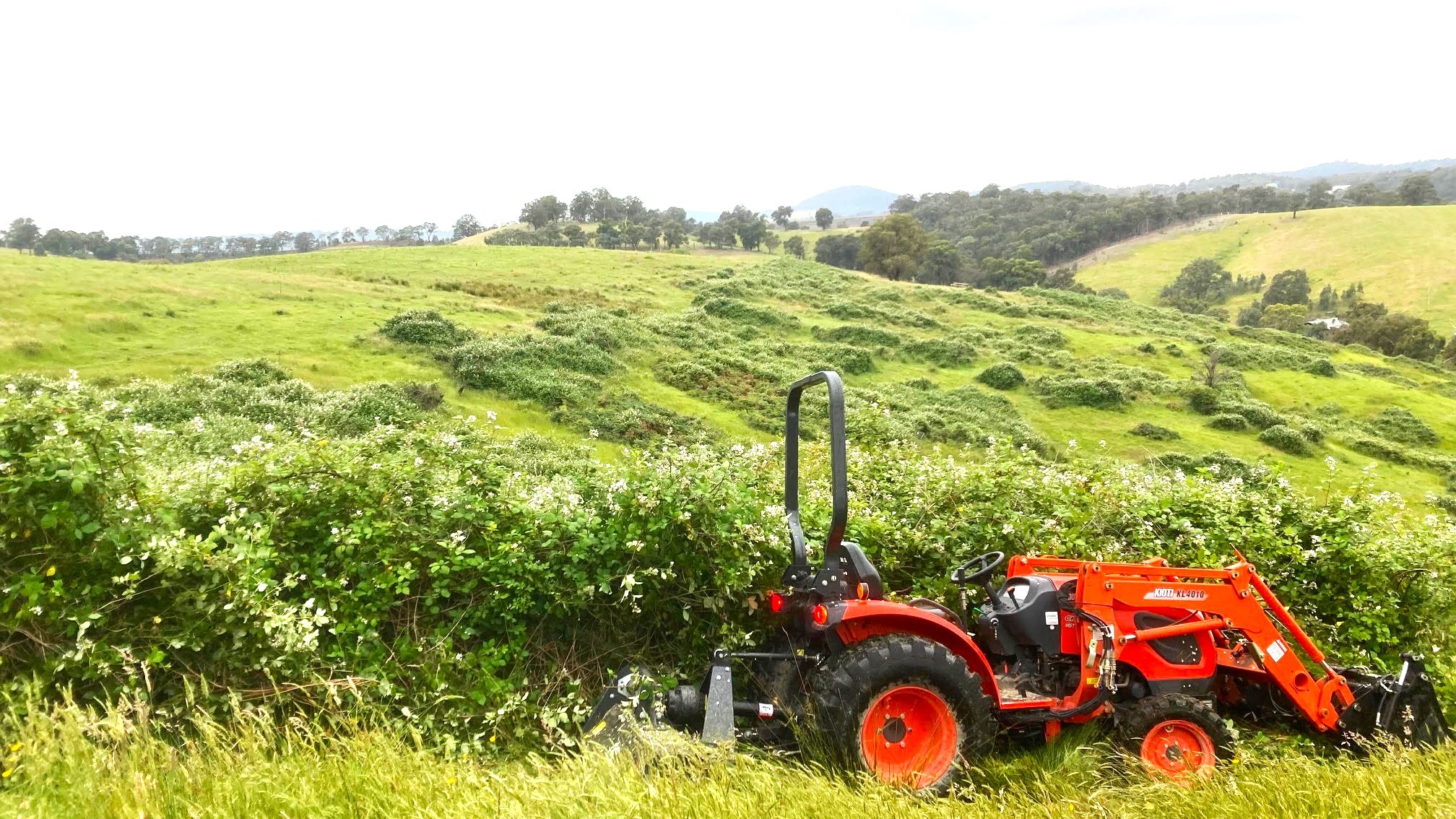
Sometimes it looks like people aren’t aware of how things can go wrong - all those terrible family farm accidents involving ATVs, side-by-sides and tractors where the thing was probably rolling before the driver even knew what was happening.
And sometimes it looks like folks that should have known there were risks but - for good reason - chose a less-safe way to save time or money.
I Can + I Will = I Do (behavioural choice)
So when I think about the two parts that go into influencing how we make a decision about our behaviours - “I can” plus “I will” - we often don’t have a gap on the “I can” side, it’s usually a failure in the “I will”.
And this failure (in my experience) almost always doesn’t come from a malicious intent to do something reckless, it almost always comes from someone wanting to do the right thing in the quickest and most efficient way - to get the work done. And then something happens unexpectedly and there’s no more barriers to stop the worst possible outcome.
So if we know folks “can” (and do everyday) take actions to improve safety on their farms, how do we help them choose a safer way when the pressure comes on?
Improving the “I will” side means a load of hard behaviour change work. If behaviour change were easy we’d all exercise a lot and eat a good diet - we know what to do, we just don’t always choose to do it.
More tools, techniques, guides, or bulky safety management documents aren’t going to do it.
What will?
I’m not sure, but I know it has to be customised to the very unique circumstances of each farm and farm type, and I know it needs to be built in a super-practical language (“farmer voice” it’s been called to me) and in a way that understands the time and work pressures of the ag work cycles.
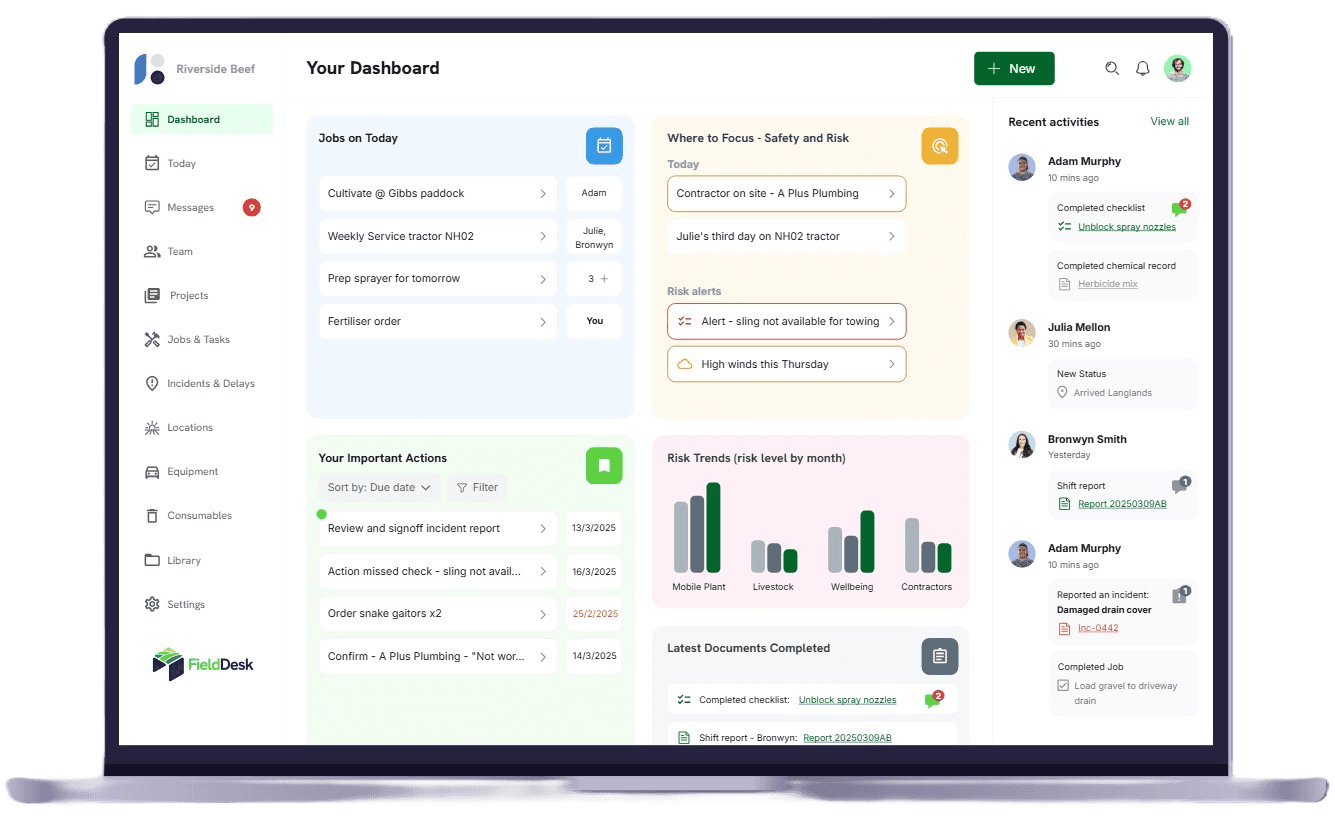
Dynamic work and safety management, customised to your farm and your team.
A more modern and practical way of managing compliance, safety and quality of work is on the way:
Simple to use plain-language interface
Real-life incident examples remind workers why things are important
Standardised industry-specific procedures, checklists and training ready to use
Share and compare with your peers
Training that adapts to each team member
Live reports help managers know where to focus
Learn more
Join our list for updates